The poet WB Yeats once declared that “Education is not the filling of a bucket but the lighting of a fire.” For centuries, our education system has been too narrowly focused on the ‘filling of the bucket’ – the acquisition of knowledge and the relentless drive towards examination outcomes- at the expense of critical thinking, curiosity, and creativity. With the advent of A.I., a rapidly-changing workplace and potentially seismic changes to the educational landscape, all that may be about to change.
I’m all for it. For too long, we have viewed education through a purely academic lens with a solitary focus on public examination outcomes alone. At present, they remain an important and arguably necessary gateway to future pathways, but they aren’t the only keys to the kingdom, and indeed there is a danger in thinking of examination results as the sole means of assessing ability, intelligence, and potential. For sure, there are plenty who will achieve strong academic grades in Public Examinations and go on to further success but there are plenty more whose exam results are less stellar but will nevertheless go on to great things. As Harvard University Professor David Perkins puts it, ‘A high IQ is like height in a basketball player. It’s very important, but there’s a lot more to bring a good basketball player than being tall.’
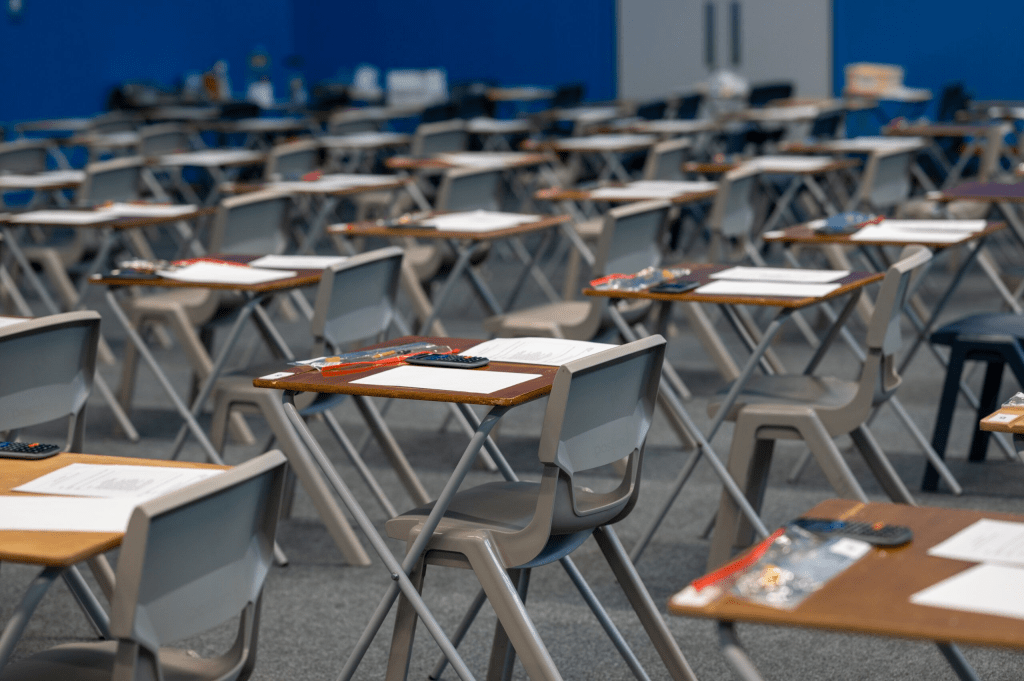
IQ vs EQ
For five years, I was a boarding Housemaster at my previous school, a uniquely wonderful privilege (albeit rather exhausting too; try getting 60 teenage boys to bed before midnight every night!). One of the boys in my house (let’s call him Ben) I had taught previous to becoming a Housemaster and knew that he struggled academically, though not for want of trying. The Sixth Form was a big leap up for him and A Levels were a real battle. Whilst it might not have been evident to his teachers, he worked hard and gave A Levels his best shot, but he was never destined to be an A grade student, nor a candidate for onward progression to a top university. By traditional measures of school success, he would perhaps have been deemed a failure, with less than glittering grades at the end of it, and – some might have said- not a lot to show from his time at the school. Yet, by the time he left school, I viewed Ben as a tremendous success, and a young man who had grown considerably in confidence during his time at the school. He might not have scored highly in academic assessments, but he would have been off the scale in any measure of Emotional Intelligence (or EQ, as it is often referred). Indeed, not only was he a key leadership figure within the boarding community, but he was also my ‘go to’ guy for prospective family visits, touring them around the school and the boarding house, and – without fail- impressing them with his authenticity, his personable nature, his articulacy, his infectious personality and his ability to bring to life the boarding experience. He possessed a hugely impressive skillset, and one that I would argue is just as valuable for onward success as academic grades. It therefore hasn’t surprised me that he has gone on to do just that, and would very much be deemed a success story in his working life beyond school.
The Soft Skills Suite
As the writer and educationalist Richard Gerver put it to me recently, “Soft skills will be the hard currency of the future.” These so-called soft-skills are becoming increasingly important in preparing our youngsters for the world beyond the school gates; employers are very clear about the skillsets, aptitudes and attitudes they are looking for in the workforce of the future, many of which would fall into the category of ‘soft skills’. Take, for example, the list below of the World Economic Forum’s Top 10 Skills from their Future of Jobs Report:
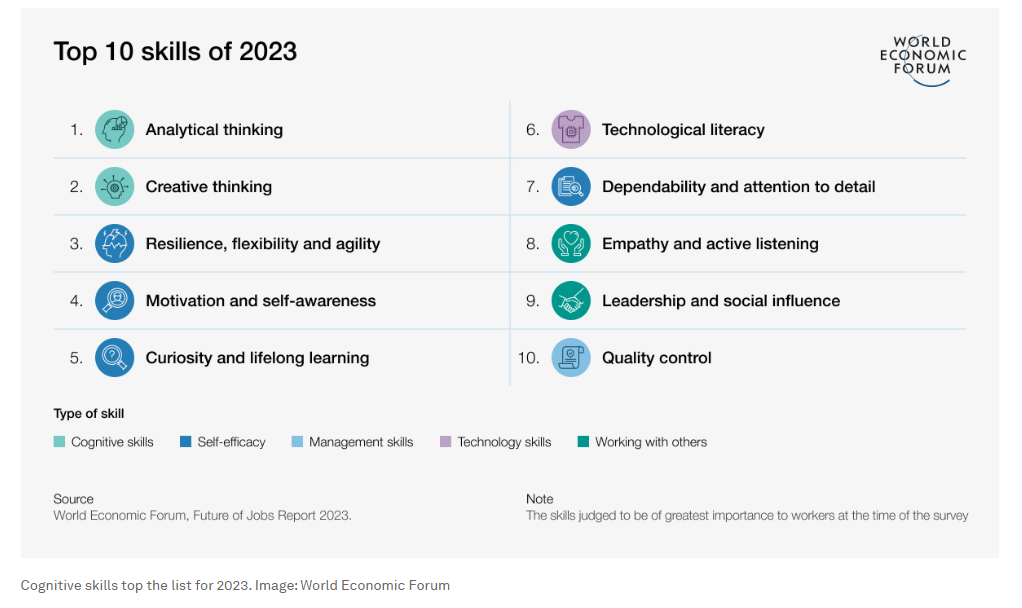
Many of these skills are developed within the classroom, but many more are developed outside of the classroom on sports fields, concert halls, theatres and mountain tops. Just think about what our youngsters experience, by way of example, when they perform on stage: Creative Thinking; Resilience, Flexibility and Agility; Motivation and Self-Awareness; Curiosity and Lifelong Learning; Dependability and attention to detail; Empathy and active listening; Leadership and social influence. And that’s just the skills on the WEF’s list (seven of the ten) not to mention their ability to deal with pressure, learn from mistakes, work effectively in a team, their coachability and much more besides.
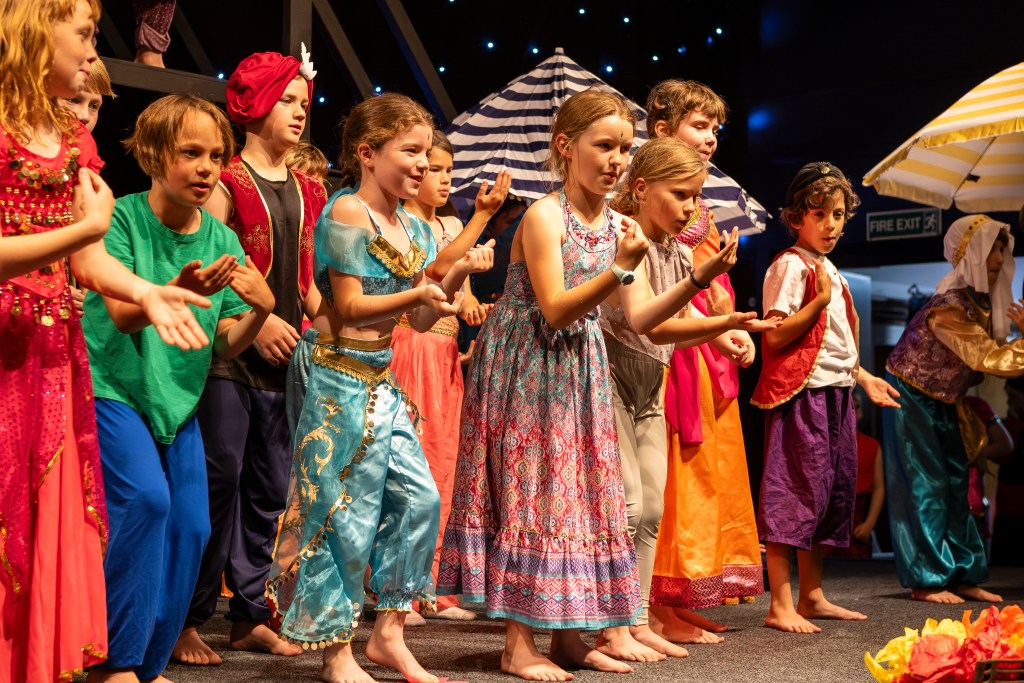
The truth is, the skillsets and mindsets our youngsters will need for the future can- and should – be developed both inside and outside the classroom. Thankfully, there has been a perceptual shift in recent years where life outside the classroom is no longer seen as a separate entity to academic study, and indeed, in many schools with an expansive outlook (my own included) academics and co-curricular are aligned in their objectives and shared purpose.
It wasn’t that long ago that we referred to extra-curricular rather than co-curricular, and this has been an important shift in both terminology and reality. For if we are serious about preparing our pupils effectively for the future beyond, we must provide the platform and experiences for them to develop these future-focused aptitudes and attitudes in all areas of school life.
Finding your Forte
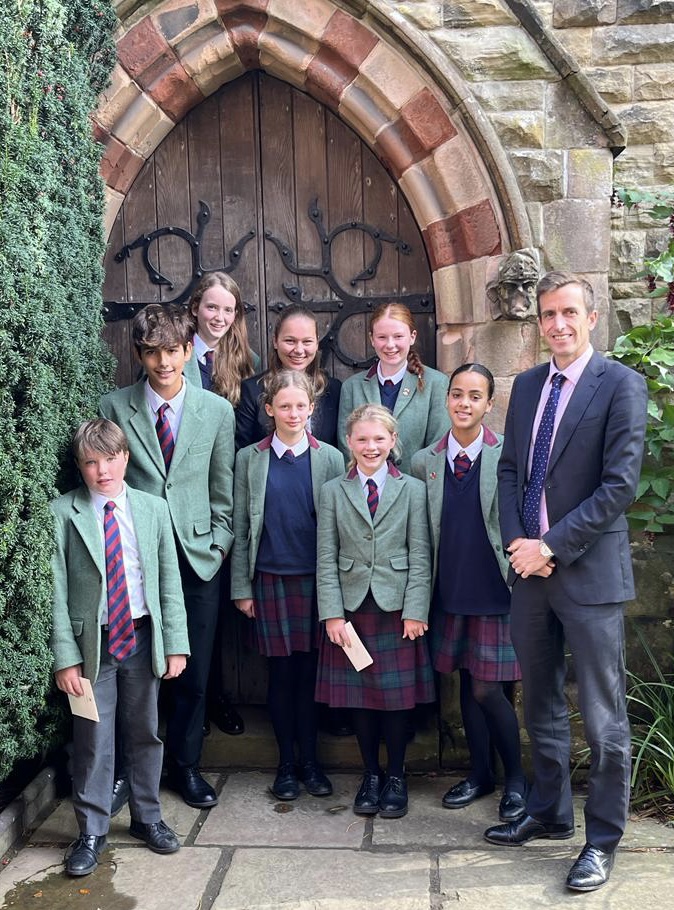
Every Friday breaktime, I host a gathering of pupils who have gone above and beyond across a wide variety of areas of school life and beyond, celebrating pupils who have impressed and demonstrated our core values and virtues, from those volunteering in community projects to those enacting simple- but meaningful -acts of kindness. From international pupils leading language lessons for our Prep School pupils to those getting out of their comfort zone and challenging themselves, the Forte Awards are always the highlight of my week, and I never fail to be in awe of the can-do attitude of our pupils, their consideration for one another, and their imagination, creativity, and resilience. These are pupils who embody and demonstrate what happens when you light fires in young people rather than fill buckets.
Forte: Future-focused
This September we launched our 2030 Strategic Plan which likewise takes Forte as its vision name. It is a roadmap for the years ahead that is focused on individual and institutional thriving and flourishing. Above all else, it is future-focused in preparing our pupils for the fast-changing world beyond, ensuring that they have the skillsets, mindsets, aptitudes and attitudes needed to make a positive impact in the communities and workplaces in which they will go on to in their adult lives.
We recognise that the world is changing – and changing fast – but we see that as exciting: a landscape of opportunity and possibility.
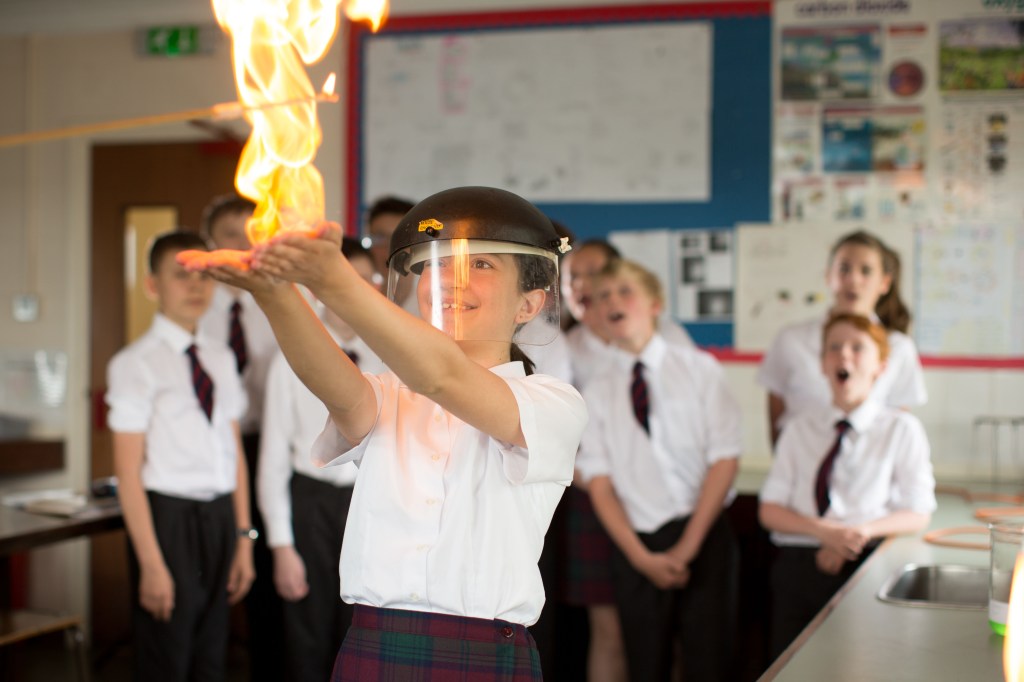
Forte is therefore a vision rooted in the imperative for education to be about lighting fires in our youngsters: fires of wonder; fires of awe; fires of confidence; fires of passion; fires of innovation; fires of imagination. With the right kindling and the careful tending of the flames, we have the opportunity to let our youngsters blaze brightly, boldly, and brilliantly.
So let’s throw out those buckets, and start lighting some fires!
https://www.yumpu.com/en/document/read/68376415/forte
 Peter Middleton