Are you a traitor…or are you a faithful?
This will be a familiar refrain to avid fans of the TV phenomenon Traitors and its latest incarnation Celebratory Traitors. It’s TV as we used to know it – a proper ‘water cooler’ show with episodes released nightly not viewed in epic binge sessions, and cliffhangers left hanging for as long as a full week between episodes. The tension is almost unbearable, but it’s compulsive viewing (with over 12 million tuning in to the recent final) full of fascinating psychological game play and increasingly tense Round Table speculation and accusation, all set to the soundtrack of chaos, confusion, and Celia Emery’s flatulent fanfare.
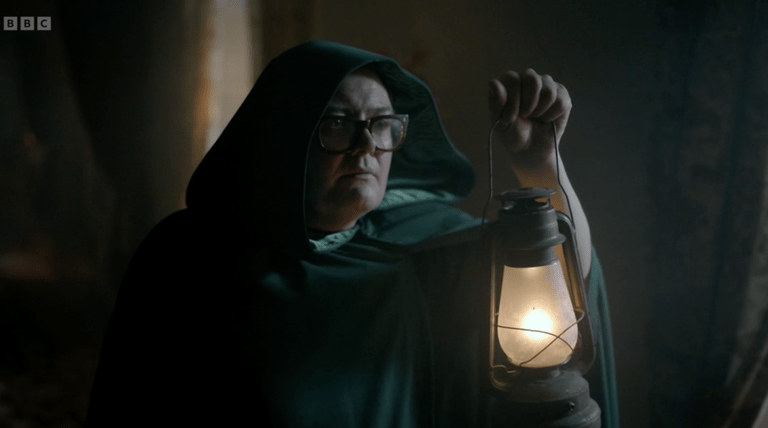
The traitors take great delight in their two-faced treachery and deception, and seem to relish the role. Indeed, the majority of the contestants when asked at the outset of the programme whether they’d want to be a traitor or a faithful gleefully declare they’d love nothing more than to be a traitor.
But who would want to be a traitor? Ok, it’s only a game show and there’s no harm in it, but in real life, who would want to be a traitor and live a life of lying? Deception? Betrayal?
There’s Daggers in Men’s Smiles
History is, of course, full of those who’ve chosen the traitor’s path, from Judas Iscariot – who famously betrayed Jesus for thirty silver coins – to Marcus Brutus, the Roman senator who plotted with his co-conspirators to assassinate the Roman general and statesman Julius Caesar whose dramatic, bloody death is immortalised in Shakespeare’s eponymous play with his dying words, “Et tu, Brute?” Shakespeare’s play Macbeth likewise opens a dramatic door into the dark corridors of deception and the treacherous, blood-thirsty lust for power. “There’s daggers in men’s smiles,” the great bard warns, and well he might.
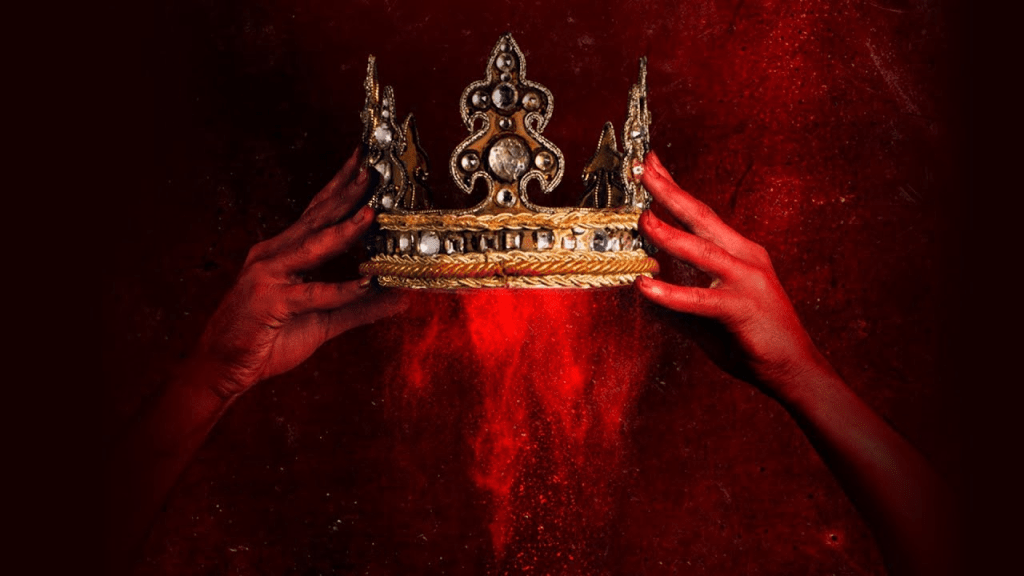
The Italian Renaissance philosopher and diplomat Niccolo Machiavelli’s most famous work – The Prince – controversially provided a treatise for leaders that promoted the so-called virtues of ruthlessness, cruelty, deception and betrayal in manipulating others for self-gain. “The ends justify the means” is often (mis) attributed to Machiavelli, who advised leaders to “be the fox to avoid the snares, and a lion to overwhelm the wolves.” The study of history reveals to us time and time again a cast of manically despotic, power-hungry rulers who have sadly taken the Machiavellian approach, casting aside all others in pursuit of ultimate – and absolute – power. In their wake – destruction, devastation, despair.
Remember, Remember
The recent Bonfire Nights around the country are a reminder of perhaps the most famous act of treachery in this country when on the 5th November 1605, Guy Fawkes and his co-conspirators of the Gunpowder Plot planted explosives beneath the House of Lords with a plan to assassinate the protestant King James I and his parliament. The plans were foiled at the eleventh hour following a tip-off and the gunpowder never went off. Celebrating the King’s survival of the assassination attempt, Londoners took to the streets and lit bonfires in defiance of the traitors, a tradition that has continued down the centuries where in towns and villages throughout the land we light bonfires and fireworks to celebrate the triumph of loyalty over treachery.

Faithful to the Call
As the embers die down on Bonfire Night, we turn to another act of remembrance as we join together as a nation to remember those who fought, fell and died in the two world wars and in more recent conflicts. I have always found it a deeply poignant and emotive moment as the surnames are read out of the fallen from our school; young men – just boys really – who exchanged the sports fields of the Maes-y-Llan for the battlefields of France and Belgium, shedding their blazers for army fatigues, swapping school books for guns.
They were, in many senses, the ultimate faithfuls: faithful to the calling of King and country; faithful to the belief in the preciousness of freedom; faithful to the pursuit of peace. When I think of them I’m reminded of the words of the old hymn: “Be faithful, Oh, be faithful,/Soon ends the battle strife; Oh, be thou faithful unto death,/And win the crown of Life.”
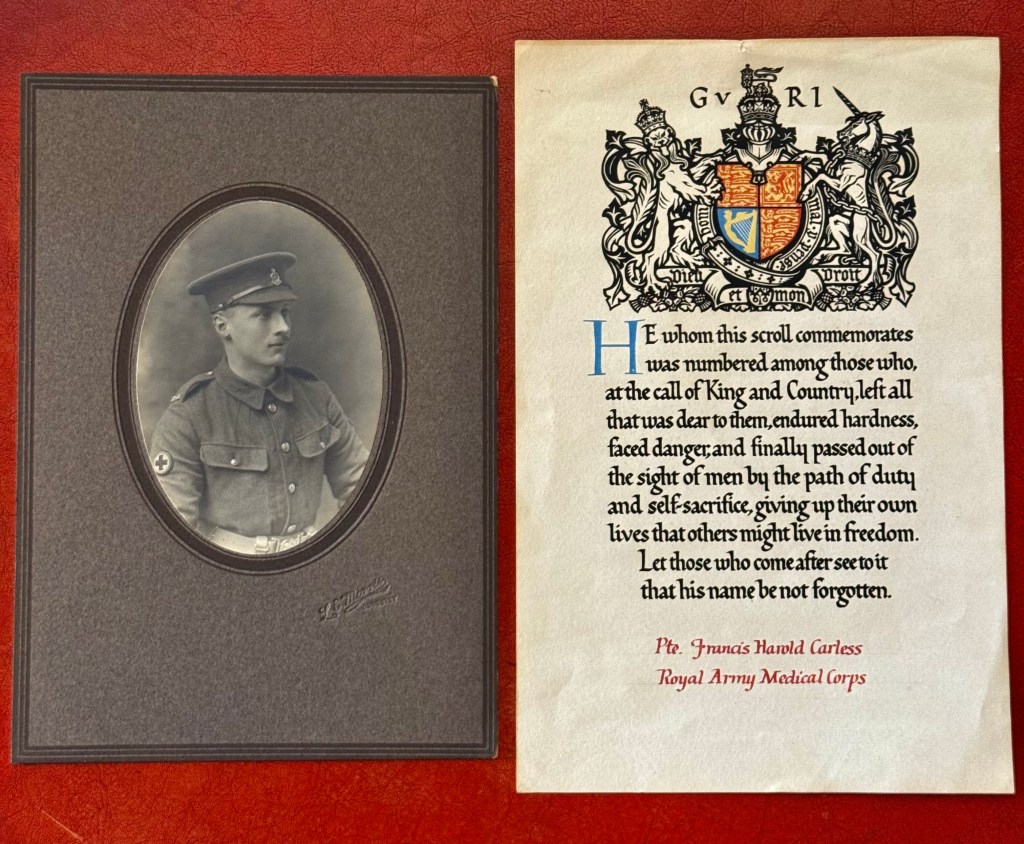
They did not die in vain. And we remember them by name so that “those who come after see to it that his name be not forgotten,” as King George V implores in the commemorative scroll that was sent to the next of kin of every soldier killed in the First World War. We will remember them; lest we forget.
Steadfast and Strong
As the Headmaster of a school with a history stretching back over 600 years, I am very conscious of the weighty responsibility (and privilege) of standing at the helm of this ancient and precious vessel. Whilst the school has evolved and adapted over the centuries – and necessarily so – one of the reasons for its longevity is the ways the school has remained steadfastly faithful to its founding vision. Rooted in our local community, grounded in strong values, this is a kind-hearted, close-knit family school that believes in the potential of each and every child, and believes in the transformational impact of an outstanding education.
Over the decades and centuries, the community has been strengthened by the loyal and faithful service to the school by so many. As we closed out the last academic year, we marked the milestone moment of the 25th year in post for our Chair of Governors Peter Wilcox-Jones, an almost unheard of tenure for such a position in the independent sector and testimony to his passionate loyalty and faithfulness to a school that he loves dearly and continues to serve so faithfully. I was likewise able to recently celebrate the long service of Sue Davies, one of our much-loved Prep School teaching assistants, who this year embarked upon her 41st year at Oswestry; an extraordinary example of faithful service to the school!
Just such loyalty and faithfulness to the school lies at the core of our community, where so many of our pupils are the sons and daughters of fathers and mothers who were themselves pupils at this school. My Head Girl this year – Ffion – is in fact the fourth generation of her family to attend Oswestry School. Now that’s what I call a faithful family!

So who would want to be a traitor? Not me. And not us. Whilst perhaps from time to time we’re all guilty of betrayal in one form of another – breaking confidences; going behind people’s backs; putting ourselves first – as individuals, as a school, as a nation, we stand for loyalty. We stand for Belonging. We stand for trustworthiness. We stand for faithfulness.
If those are the values we live by, then my hope and my prayer is that we all can stand at the end and say proudly and boldly, I am, and have been from the start…a faithful.
 Peter Middleton