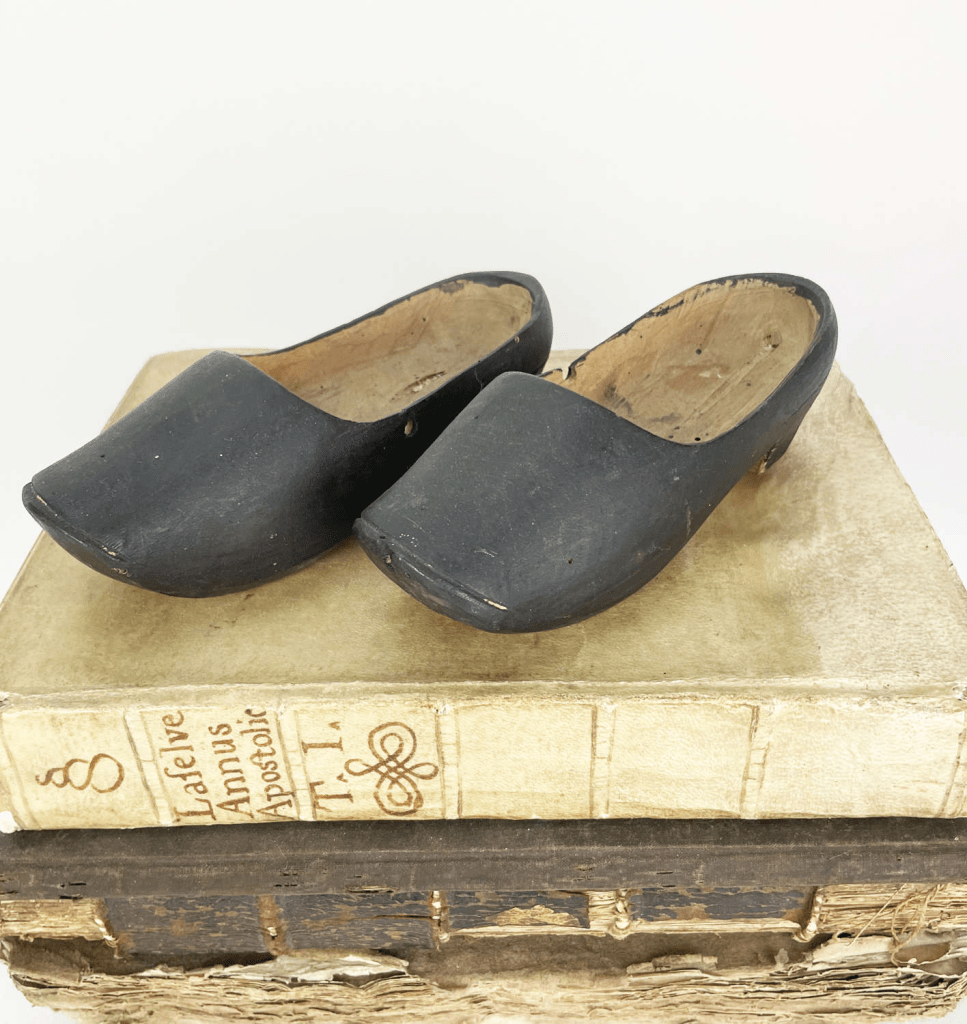
In a recent school assembly I shared with my pupils the origins of the word ‘sincere’ (with thanks to Alastair Reid for an illuminating post on TISCA tracing its roots back to imperial Rome). Having challenged my pupils to go away and research the etymology of words and come back to me with their favourite word origin (alongside the lure of a £5 tuck shop voucher for the best one…), I’ve enjoyed receiving emails from pupils this week or conversations around campus as they shared with me some real gems. Amongst the most interesting thus far are ‘helicopter’ (from helico – spiral, and pter – wing) and ‘sabotage’ (deriving from the simple wooden sabot shoes worn by French workers, and the labour disputes that involved them disrupting or destroying machinery).
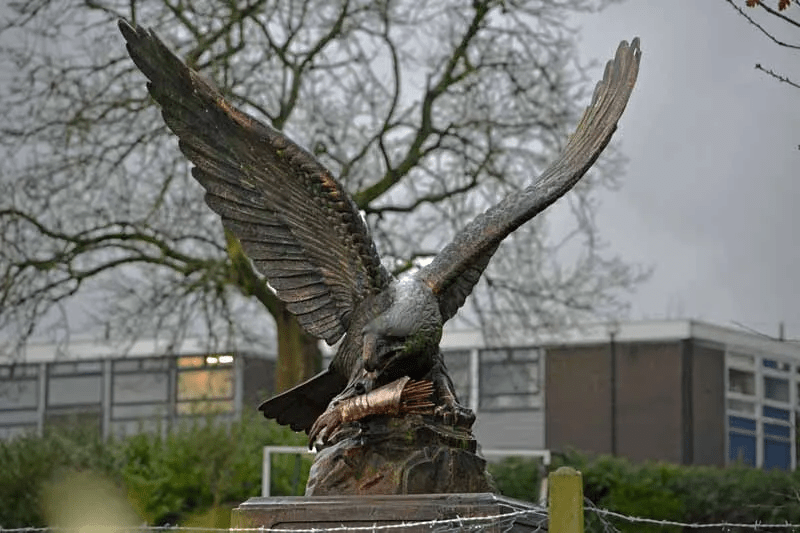
Place names, too, often have fascinating origins. Take the border town of Oswestry that our school sits in. Its name has its roots (and in this story, roots is the operative word) in the 7th century where the Northumbrian King Oswald was martyred at the Battle of Maserfield by the Mercian King Penda in AD 642. The battle took place on our school’s playing fields, the Maes-y-Llan (there can’t be too many schools who can lay claim to a King having died on their rugby pitches!) where, according to legend, King Oswald was slain and dismembered on those fields and his arm carried to an ash tree by an eagle where emerged a spring – known as Oswald’s Well – with miraculous healing properties, a well whose waters used to flow directly into Oswestry School’s outdoor swimming pool, reputedly the coldest swimming pool in the whole of England! It was this ash tree that gave our town its name, where Oswald’s Tree was eventually shortened to Oswestry.
Tracing the Roots
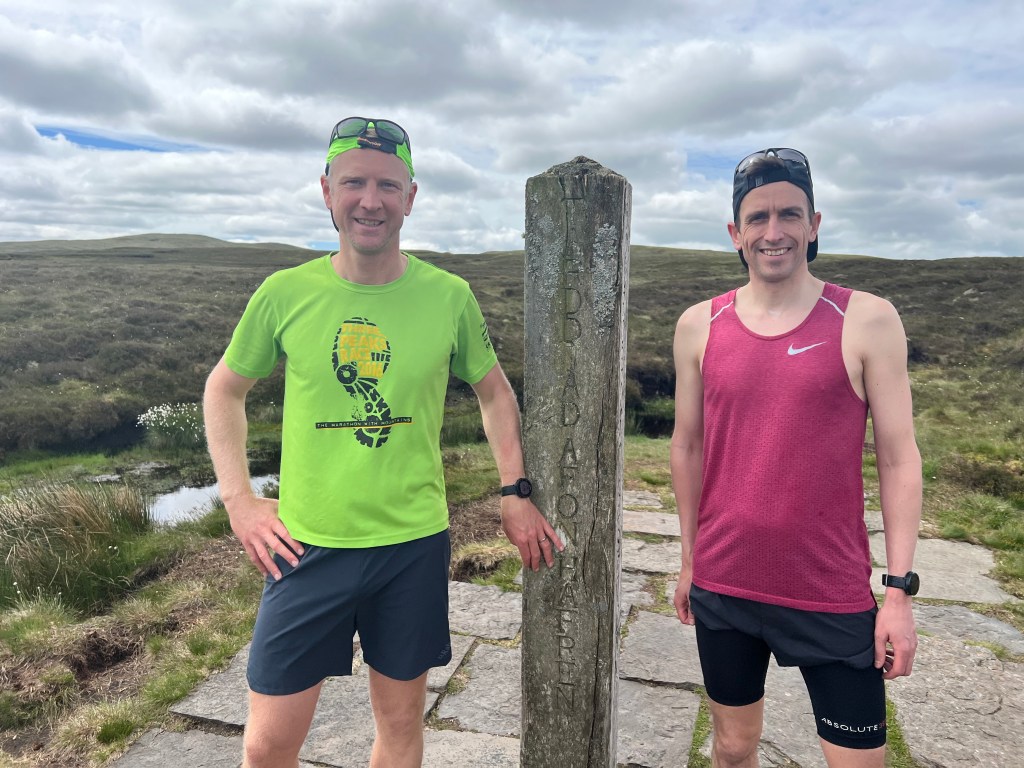
Origins are an interesting thing. A couple of years ago, a good friend and I ran the length of the River Severn from Source to Sea (not in one go I should add!) tracing the roots of the river to the small pool of water on the Plynlimon massif and following the course of its meandering journey passing through the towns of Shrewsbury, Worcester and Gloucester before joining the Severn Estuary. From the humblest of beginnings, its final destination of the Bristol Channel is an impressive 30 miles wide, hardly conceivable when one stands by the puddle of water by the wooden post marking the river’s source in the Cambrian Mountains in mid-Wales. Obvious though the analogy may be, it is a powerful reminder that great things grow from small beginnings; 30 mile wide channels have their source in the tiniest of trickling streams.
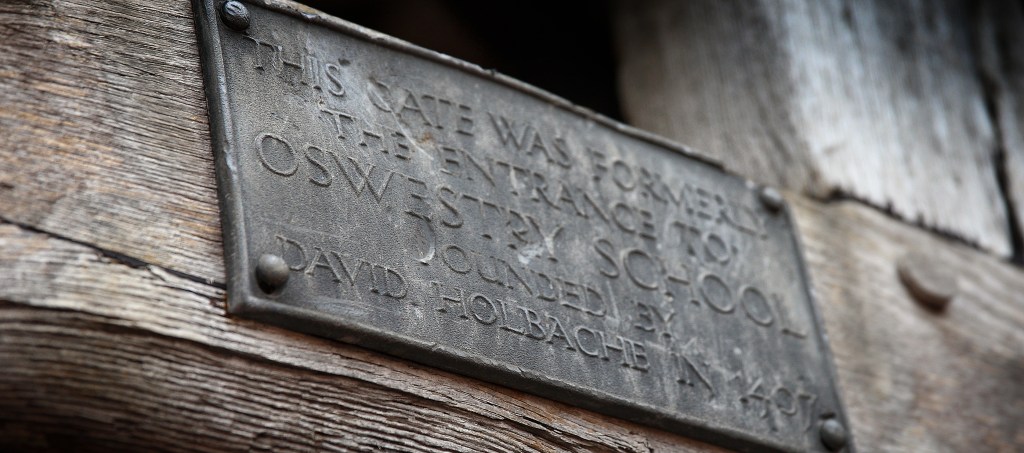
As a school, we reflected on our own origin story at our recent Founder’s Day, marking and celebrating the 617 years of our school’s history, and commemorating the foundations that were laid all those years ago. In the early 15th century, Oswestry was a small school of just 30 or so young boys from the local area studying Arithmetic and Latin in the timber-clad building that still stands to this day. The pioneering vision of our founder David Holbache saw that small trickling stream of a school become a mighty river whose course has meandered and cascaded through the centuries, growing in size and reputation as the school moved to its present-day site on Upper Brook Street close to 250 years ago, and broadening in outlook as it became one of the first schools in the country to become fully co-educational over 50 years ago.
Broadening Horizons
Oswestry School today is of course in many senses unrecognisable to that small timber-clad school of 1407, but the Oswestory is a traceable journey and our vision for the school’s future remains true to that same pioneering spirit, one that has always been – and remains – innovative, imaginative and bold.
One such bold step was taken this September when we opened our very first Sixth Form co-educational boarding house following an extensive renovation; a ground-breaking project and one, true to our school’s motto – We Learn Not For School But For Life – that is focused on preparing our youngsters for the world beyond, the very same vision that has propelled our school from its earliest days. Appropriately enough, the boarding house carries the name of our founder – Holbache – and I feel sure that he would have approved of this evolutionary change, and the milestone moment that it marks.

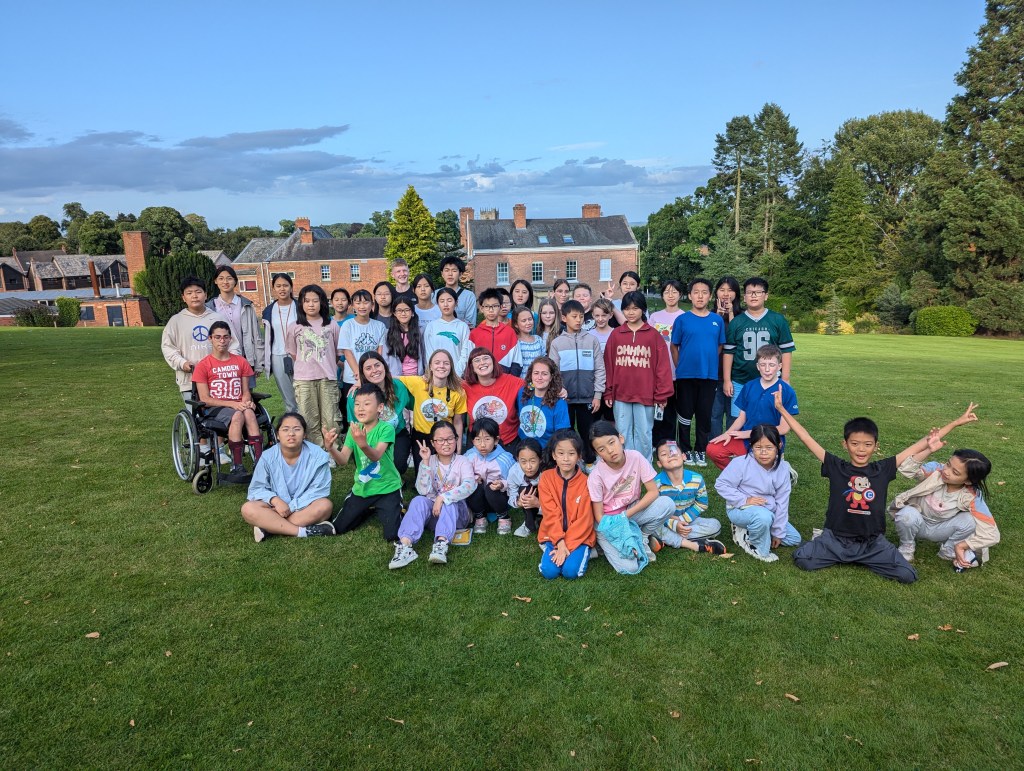
So, too, would he have approved of the broadening of our international horizons, whether it’s in our partnership and supportive role in the founding of The British Academy of Montenegro, the establishment of a burgeoning South African pupil exchange programme with Kearsney College and St Mary’s Diocesan School for Girls, or in the launching of our very first international Summer School programme. He’d hopefully have likewise been proud to hear news of Oswestry School being named as a finalist in the Independent Schools of the Year Award for Best International Student Experience; deserved recognition for my colleagues who passionately believe in the importance of providing a home from home environment for our boarders, and celebrating the rich vibrancy of a truly global school community of over 30 nationalities.
As Shakespeare’s Polonius puts it in Hamlet, “To thine own self be true.” That’s as valuable a maxim for us as a school as it is for us as individuals. Through seven centuries of evolving and adapting, innovation and imagination, we remain true to our founding values and our founding vision, and whilst the river may be broader, and the water may course through at a faster pace, its the same water that travels through; trace your finger back to its source and you’ll see that the journey – meandering though it may be – is one of steadily building, broadening and emboldening.
Great things grow from small beginnings.

 Peter Middleton